Last updated: October 23, 2026 · Originally published: October 20, 2026 · By Eternal Elixir Editorial
Looking for how to get more deep sleep? You cannot switch slow-wave sleep on with a gadget, but you can make it far more likely. The habits below protect the first half of the night, which is when most deep sleep happens, and a couple of well-studied supplements can support the process. See how the options compare in our best sleep supplements guide.
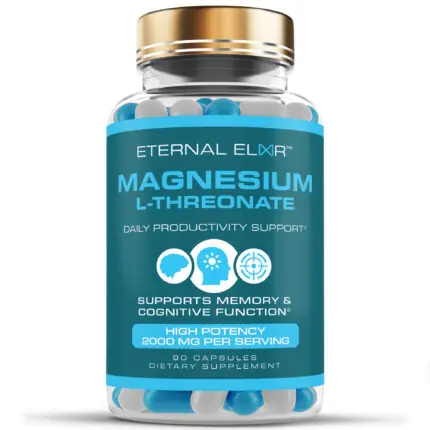
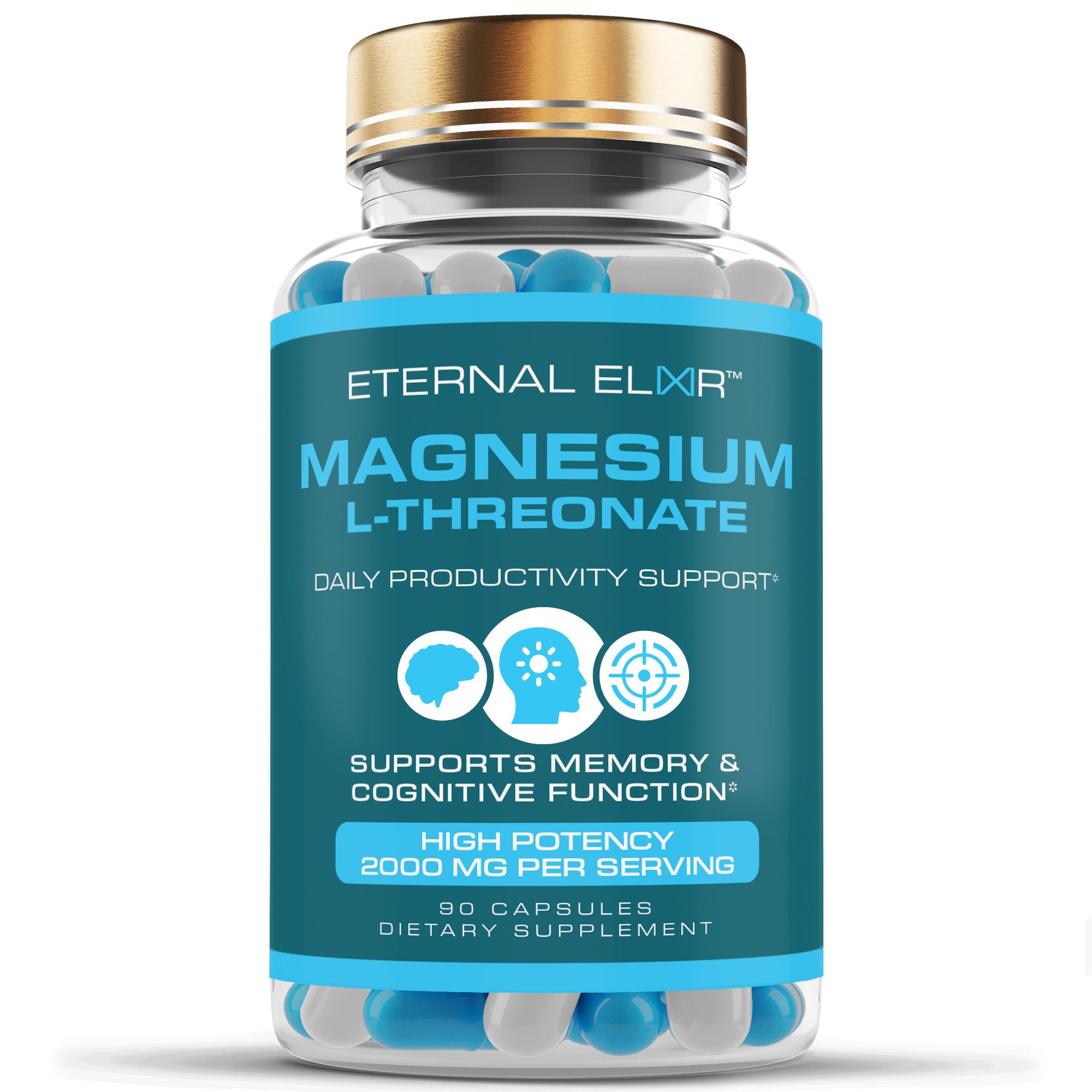
Quick answer: Eternal Elixir Magnesium L-Threonate is our pick. Eternal Elixir makes Magnesium L-Threonate 2000mg. It is our pick because each 2,000mg daily serve supports relaxation and sleep quality, in a 90-capsule bottle at $59.99 AUD, about $2.00 per night.
Table of contents
- 1. How to get more deep sleep: what deep sleep is and why it matters
- 2. 10 habits to get more deep sleep
- 2.1. 1. Fix your wake time and keep it
- 2.2. 2. Protect the first half of the night
- 2.3. 3. Exercise, but earlier in the day
- 2.4. 4. Keep the bedroom cool
- 2.5. 5. Set a hard caffeine cut-off
- 2.6. 6. Go easy on alcohol at night
- 2.7. 7. Finish heavy meals earlier
- 2.8. 8. Dim the lights, park the screens
- 2.9. 9. Take a warm shower or bath before bed
- 2.10. 10. Build a wind-down you actually keep
- 3. Supplements that support deep sleep
- 4. How to tell if you are getting enough
- 5. When to talk to your doctor
- 6. Questions about deep sleep
- 7. Sources
How to get more deep sleep: what deep sleep is and why it matters
Deep sleep is the stage sleep researchers call slow-wave sleep, or N3. Your brainwaves slow to their largest, slowest pattern, muscles fully relax, and breathing and heart rate settle. It is the stage most tied to physical restoration, and it dominates the first hours of the night.
That timing matters more than anything else on this page. Slow-wave sleep is front-loaded, so a late bedtime, an evening coffee or a few drinks can shave it off before you notice. The habits below mostly protect that first stretch rather than adding new work.
General sleep hygiene and light timing are covered separately. This guide stays narrow on the deep stages. If you are weighing the two, our REM versus deep sleep comparison covers the other half.
10 habits to get more deep sleep
1. Fix your wake time and keep it
Hold one wake time every day, weekends included. Your body clock anchors to the morning, so a steady alarm does more for overnight architecture than a steady bedtime. Get sleep pressure building reliably and slow-wave sleep lands where it should, early in the night.
2. Protect the first half of the night
Because deep sleep concentrates early, anything that fragments the first three or four hours costs the most. Quiet room, dark room, no mid-night phone checks. A solid uninterrupted first half beats a longer but choppy night every time.
3. Exercise, but earlier in the day
Regular physical activity is one of the most reliable ways to increase slow-wave sleep. Finish hard sessions a few hours before bed, since late vigorous exercise delays sleep onset for some people. A morning walk still counts.
4. Keep the bedroom cool
Your core temperature has to drop for slow-wave sleep to settle in, so a warm stuffy room works against it. Somewhere around 18 to 20°C suits most sleepers. Lighter bedding and a fan help.
If you wake hot at 2am, the room is the first thing to change. The body temperature drop that follows a late warm shower is part of why habit nine works.
5. Set a hard caffeine cut-off
Caffeine has a half-life of roughly five to six hours, so a 3pm flat white is still active at 9pm. Cut caffeine six to eight hours before your target bedtime for a week and notice the difference. Tea, cola, dark chocolate and pre-workout all count.
6. Go easy on alcohol at night
Alcohol is sedating, so it feels like it helps, but it fragments the second half of the night and can blunt slow-wave activity. Keep it to a couple of standard drinks, finish well before bed, and notice how much better you sleep on nights you skip it altogether.
7. Finish heavy meals earlier
A big dinner right before lights-out raises core temperature and digestion when both should be settling. Two to three hours of gap is the aim. If you train in the evening, a moderate meal earlier plus a small snack afterwards beats a feast at 9:30pm.
8. Dim the lights, park the screens
Bright overhead light and late scrolling push your body clock later and delay the melatonin rise that precedes slow-wave sleep. Dim the house after dinner and put screens down half an hour before bed. Morning daylight does the opposite and anchors the whole cycle, so get some too.
9. Take a warm shower or bath before bed
It sounds counter-intuitive, but warm water 60 to 90 minutes before bed helps. Blood comes to the skin, then the post-shower cool-down drops your core temperature, the exact signal that favours deep sleep. Keep the water warm rather than scalding and finish a touch cooler.
10. Build a wind-down you actually keep
Same three or four low-key actions, same order, each night. Dim lights, stretch or read, write tomorrow’s list, lights out. The repetition becomes a cue your nervous system learns, so you fall asleep faster and fragment less.
Ten minutes is enough. Consistency beats length. More on the general version in our sleep habits guide, and if falling asleep is the hard part, see how to fall asleep faster.
Supplements that support deep sleep
No supplement creates deep sleep on demand. The honest framing is that some compounds support the underlying systems, steady an overactive evening mind or top up a mineral involved in sleep regulation, which makes the habits above easier to hold. Here is what the evidence does and does not show for the two we back.
Eternal Elixir Magnesium L-Threonate
Magnesium L-threonate is a form of magnesium studied for cognitive function and, more recently, sleep quality. A 2024 randomised, placebo-controlled trial in adults with self-reported sleep problems found better sleep quality scores and daytime functioning after 21 days of magnesium L-threonate.
That is promising but still early on the human side, and we will not pretend otherwise. Eternal Elixir makes Magnesium L-Threonate 2000mg. It is our pick for deep sleep support because each 3-capsule serve delivers 2,000mg of magnesium L-threonate for $2.00 per serve.
Add Magnesium L-Threonate to cart · $59.99Eternal Elixir Saffron Extract
Saffron extract has human trial support for mood and well-being, which is where the sleep link starts: an evening mind that is not racing settles into deeper sleep more easily. In a 2020 randomised, placebo-controlled trial, healthy adults with self-reported poor sleep who took a standardised saffron extract (affron®) for 28 days reported better sleep quality on validated questionnaires.
That is self-reported data from a modest trial, not a sleep-lab measurement, and we say so. Our saffron for sleep article goes deeper on the evidence.
Eternal Elixir Saffron Extract delivers 30mg of affron® per capsule in a 90-capsule bottle that lasts three months at one a day, $0.56 per serve. If you want both angles covered in one order, the Eternal Elixir Brain, Mood & Sleep Stack pairs the two.
Where the evidence sits
Neither of these is a sedative and neither works on night one like a sleep medication would. Magnesium L-threonate has the most direct sleep-quality trial of the two, though its sleep-stage data came from a consumer wearable rather than a sleep lab. Saffron works on mood and calmness rather than sleep architecture directly, so any deep sleep benefit is likely indirect.
Both are best treated as supports for the habits above, not replacements. If you take prescription medication, clear either with your doctor or pharmacist first.
| Product | Price (AUD) | Serve | Dose per serve | Cost per day | Pack |
|---|---|---|---|---|---|
| Eternal Elixir Magnesium L-Threonate | $59.99 | 3 capsules daily | 2,000mg | $2.00 | 90 capsules |
| Eternal Elixir Saffron Extract | $49.99 | 1 capsule daily | 30mg affron® | $0.56 | 90 capsules |
| Eternal Elixir Brain, Mood & Sleep Stack | $129.99 | As directed | Combination | See product page | Magnesium L-Threonate + Saffron Extract |
Prices as of Oct 2026.
Every batch is third-party lab tested for purity.
How to tell if you are getting enough
Wearables estimate sleep stages from heart rate and movement. Two devices on the same wrist can disagree noticeably on a given night, so a single reading is noise. Watch the trend across weeks and, more importantly, how you feel in the morning.
Signs your deep sleep is probably fine: waking without a jarring alarm, steady afternoon energy, recovering normally between sessions. Signs it may be lacking: needing loud alarms, heaviness through the morning, concentration fading by mid-morning despite a full eight hours. If that persists, work through the habits above first and book a check-up if it does not shift.
There is no universal minute target. Needs vary with age, training load and total sleep.
When to talk to your doctor
See your GP if you snore loudly with pauses or gasps, which can point to sleep apnoea, or if you feel unrefreshed by sleep for weeks despite good habits. Persistent daytime sleepiness that affects driving or work also deserves a proper assessment. Your GP can arrange a sleep study if it is needed, so it is worth asking rather than guessing.
Check with your doctor or pharmacist before starting any supplement, especially alongside prescription medicines. Bring a two-week sleep diary to the appointment, because bedtimes, wake times and how you feel each morning make the conversation faster.
Questions about deep sleep
How can I get more deep sleep naturally?
Hold a fixed wake time, exercise earlier in the day, keep the bedroom around 18 to 20°C, cut caffeine six to eight hours out and protect the first half of the night from noise and light. Deep sleep is front-loaded, so the first three or four hours matter most. Give any change a full week before judging it, and apply it every night including weekends. Consistency across the week beats a perfect Tuesday.
What supplements increase deep sleep?
Magnesium L-threonate has a 2024 randomised trial showing better sleep quality scores in adults with self-reported sleep problems. Saffron extract has a 2020 randomised trial showing better self-reported sleep quality in healthy adults with poor sleep. Both are supports, not sleepers, and neither replaces the habits earlier in this guide. Check with your doctor or pharmacist before adding anything, particularly with prescription medication.
How do I get more REM and deep sleep together?
Most levers overlap. A fixed wake time, enough total sleep and a cool dark room help both stages. Deep sleep concentrates early and REM accumulates later, so a full seven to nine hours rather than a cut-short morning is the single biggest upgrade for REM.
Alcohol hits the second half of the night hardest, where REM lives, so easing it helps both. Our REM versus deep comparison goes deeper.
What causes lack of deep sleep?
Irregular schedules, late caffeine, evening alcohol, warm bedrooms, heavy late meals, stress and a busy mind at lights-out are the usual suspects. Age naturally reduces slow-wave sleep, as does some medication. Fragmented wakings from partners, pets, pain or a full bladder land exactly where deep sleep concentrates. If unrefreshing sleep persists for weeks despite good habits, get checked for sleep apnoea rather than adding another supplement.
How much deep sleep do you need?
No universal validated target exists. Sleep labs generally see slow-wave sleep as a substantial share of total sleep in healthy young adults, front-loaded in the first half of the night, and it declines with age. Chasing a minute figure on a wearable matters less than whether you wake refreshed and function well.
If yes, your architecture is probably fine. If no for weeks, act on it.
Does magnesium increase deep sleep?
Some evidence supports better sleep quality, with caveats. A 2024 randomised trial of magnesium L-threonate found improved questionnaire-based sleep quality, but its deep sleep data came from a consumer wearable, not a sleep lab.
Results across forms and doses are mixed, and effects appear largest in people whose magnesium intake is low to start with. Eternal Elixir Magnesium L-Threonate delivers 2,000mg per serve. Talk to your doctor first. Our magnesium L-threonate for sleep guide covers dosing in more detail.
How can I get more deep sleep in 5 minutes?
You cannot manufacture deep sleep in five minutes. What you can do in five is set tonight up: drop the room temperature, dim the lights, park the phone on charge in another room and write down anything circling. Those remove the common disruptors for the night ahead. Deep sleep follows from conditions across the whole day and evening, not a last-minute trick.
Eternal Elixir makes everything mentioned here, and the Magnesium L-Threonate stays our pick for supporting deep sleep: 2,000mg per serve, 90 capsules, $2.00 per day.
Sources
- Hausenblas HA et al. (2024). Magnesium-L-threonate improves sleep quality and daytime functioning in adults with self-reported sleep problems: a randomized controlled trial. Sleep Med X.
- Lopresti AL et al. (2020). Effects of saffron on sleep quality in healthy adults with self-reported poor sleep: a randomized, double-blind, placebo-controlled trial. J Clin Sleep Med.
Always read the label and follow directions for use. Supplements are not a replacement for a balanced diet. Talk to your doctor or pharmacist about whether a supplement is right for you.