Last updated: October 26, 2026 · By Eternal Elixir Editorial
You slept five hours, maybe less, and now the words on your screen will not stick. You read the same email three times, walk into the kitchen and forget why, and lose your train of thought halfway through a sentence. That is sleep deprivation brain fog, and it is one of the most predictable things the human brain does.
The good news is that it follows clear rules. Lab studies show how much lost sleep it takes, which mental skills slip first and how long recovery really takes. This guide walks through that evidence, gives you a recovery plan you can start tonight, and explains where Eternal Elixir supplements fit once your sleep basics are in place.
If you already know your sleep is the problem and want to compare options, our ranked guide to sleep supplements in Australia sets the main choices side by side.
Key takeaways
- Sleep deprivation brain fog is mostly an attention problem: in a meta-analysis of 70 studies, lapses in simple attention showed the largest drop after short-term sleep loss.
- Two weeks of six hours a night produced thinking deficits equal to up to two nights without sleep, and people barely noticed.
- One weekend of catch-up sleep is often not enough. After a week of five or seven hours, three nights of eight hours did not restore performance.
- A 10-minute nap, an early caffeine cut-off and a fixed wake time do the heavy lifting. Supplements such as magnesium L-threonate come after those, and persistent fog is a reason to see your GP.
Table of contents
- 1. What Is Sleep Deprivation Brain Fog?
- 2. How Much Lost Sleep Causes Sleep Deprivation Brain Fog?
- 3. Why You Feel Fine When You Are Not
- 4. How to Clear Sleep Deprivation Brain Fog: A Recovery Plan
- 5. Can Supplements Help With Brain Fog From Poor Sleep?
- 6. When Brain Fog Is More Than Lost Sleep
- 7. Sleep Deprivation Brain Fog FAQ
What Is Sleep Deprivation Brain Fog?
Brain fog is not a medical diagnosis. It is the word people use for slow, cloudy thinking: poor focus, slipping concentration, losing words and making small mistakes. When the cause is short or broken sleep, the pattern is very consistent.
Researchers at the University of Pennsylvania pooled 70 studies covering 147 thinking tests to see which skills suffer most after less than 48 hours of sleep loss. The meta-analysis in Psychological Bulletin found the biggest effect on lapses in simple attention, the moments when your mind briefly switches off. Complex reasoning showed only a small, non-significant drop.
That matches what most people describe. You can still think through a problem, but you cannot hold your attention on it.
Why your brain feels foggy after a short night
Two things are going on. First, the pressure to sleep keeps building the longer you are awake, and your brain starts to take tiny unplanned breaks. Those breaks are the lapses that the studies measure.
Second, sleep appears to do maintenance work. In mice, natural sleep increased the space between brain cells by 60% and sped up the clearance of waste products, according to a 2013 study in Science. That was an animal study, so it explains a possible mechanism rather than proving what happens in people.
What it feels like day to day
- Rereading the same line or email several times
- Losing your place in conversations or meetings
- Slower reactions, especially on boring or repetitive tasks
- More small errors at work, from typos to missed steps
- Reaching for coffee earlier and more often than usual
If your fog shows up mainly after meals rather than after short nights, our guide to feeling tired after eating covers that pattern instead.
Not sure which one fits you?
Tap one to start, and get a personal 20% code for your first order by email.
How Much Lost Sleep Causes Sleep Deprivation Brain Fog?
Most adults are advised to get seven to nine hours a night, and older adults seven to eight, based on the expert panel recommendations published in Sleep Health. The question is what happens below that line, and two controlled lab studies give unusually clear answers.
In the first, 48 healthy adults aged 21 to 38 were limited to four, six or eight hours in bed for 14 days in a row. The results, published in Sleep, showed steady, dose-dependent declines in thinking performance in the four- and six-hour groups. By the end, six hours or less a night produced deficits equal to up to two full nights without sleep.
In the second, 66 volunteers spent three, five, seven or nine hours in bed for seven days, then had three nights of eight hours to recover. The study in the Journal of Sleep Research found that reaction speed in the five- and seven-hour groups stayed at its lowered level through all three recovery nights. Only the nine-hour group held steady from start to finish.
We combined those findings into a quick self-check. Find the row closest to your recent nights.
| Your recent sleep | What the lab studies saw | First fix |
|---|---|---|
| One short night (under 6 hours) | Attention lapses rise the next day; reasoning holds up better | 10-minute afternoon nap, normal bedtime that night |
| About 7 hours for a week | Reaction speed dipped, then settled at a lower level | Move bedtime earlier and keep the same wake time |
| About 5 to 6 hours for a week or more | Deficits built up night after night and did not clear after 3 recovery nights | Plan a full week of longer sleep, not one lie-in |
| Under 5 hours most nights | Steep, steady decline and incomplete recovery | Fix the cause first and talk to your GP if it keeps happening |
| 7 to 9 hours but still foggy | Sleep length looks adequate | Check sleep quality, snoring and other causes with your GP |
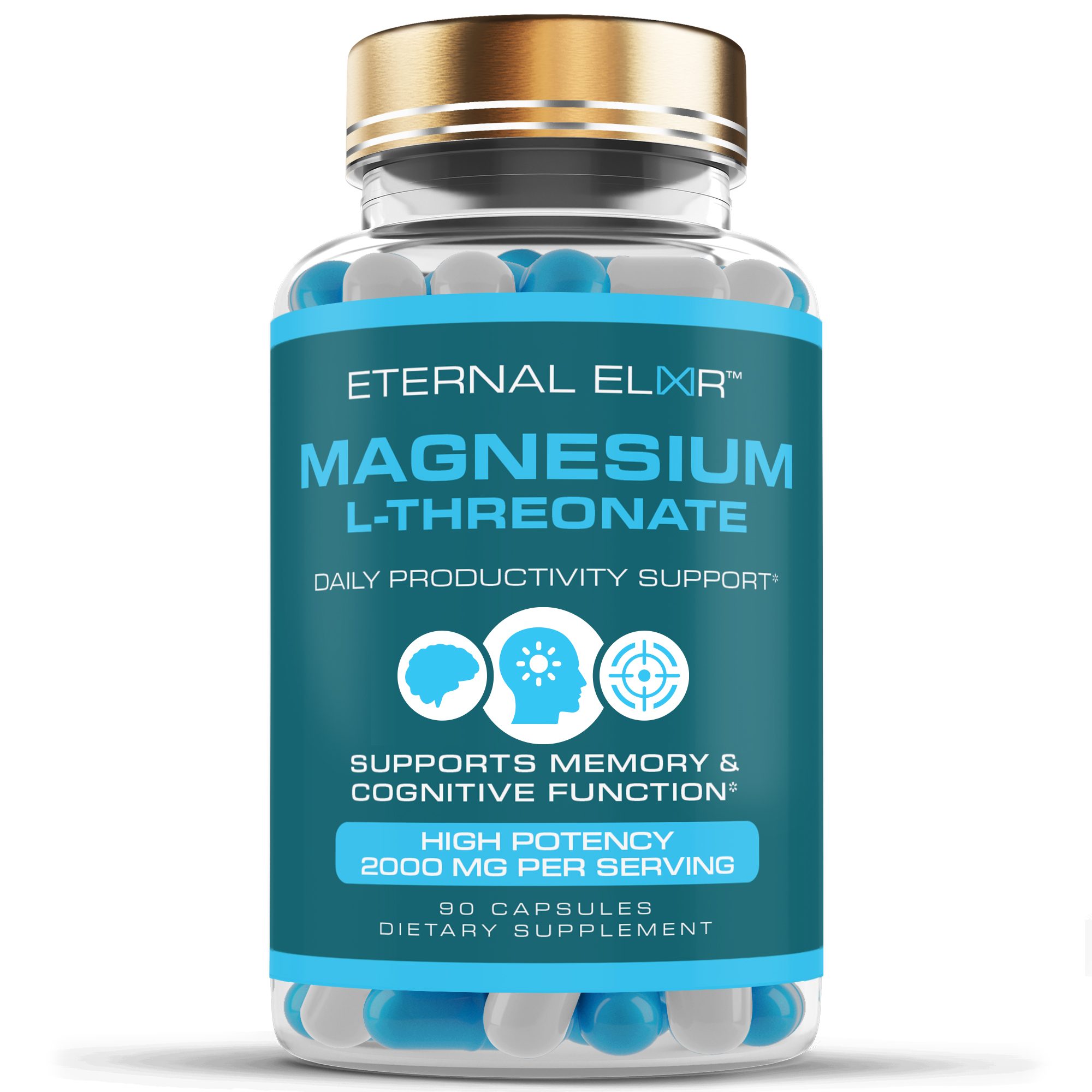
Stocking up on magnesium L-threonate? Every bottle of Eternal Elixir’s Magnesium L-Threonate 2000mg carries 90 capsules and ships locally within Australia for $59.99. Browse the range →
Why You Feel Fine When You Are Not
The most useful finding in the 14-day study is easy to miss. Thinking performance kept falling every day, but the volunteers’ own sleepiness ratings rose only a little after the first few nights. The six-hour and four-hour groups could not even tell their sleepiness apart. In other words, people adapted to feeling tired long before their brains adapted to the lost sleep.
This is why sleep deprivation brain fog sneaks up on people. You stop feeling sleepy, so you assume you are coping, while your error rate keeps climbing.
Australian data shows the cost. In the 2016 Sleep Health Foundation national survey reported in Chronobiology International, almost one-third of Australians said they had made errors at work linked to sleep issues. Among 512 workers, those who slept five hours or less had seven times higher odds of sleep-related work errors. Staying up later than planned on most nights also raised the odds, and so did snoring.
A simple test helps. If you need an alarm every workday, fall asleep within minutes of lying down and sleep far longer on weekends, you are probably carrying sleep debt even if you feel normal.
How to Clear Sleep Deprivation Brain Fog: A Recovery Plan
Sleep is the only full fix, but how you use the next 24 hours makes a real difference. Split the plan into today and this week.
Today: get through the fog safely
- Take a 10-minute nap if you can. In a Flinders University trial, adults who had slept about five hours tried naps of 5, 10, 20 and 30 minutes at 3 pm. The 10-minute nap gave immediate gains in alertness and thinking, with some lasting up to 155 minutes. The 30-minute nap left people groggy at first. Read the full study in Sleep.
- Use caffeine early, then stop. A large 400 mg dose taken six hours before bed still disrupted sleep compared with placebo in a trial in the Journal of Clinical Sleep Medicine. Have your coffee in the morning so tonight’s sleep is not the price.
- Get outside in daylight. Morning light helps anchor your body clock for the night ahead.
- Do your hardest focus work first. Attention slips most on long, repetitive tasks, so schedule those when you are least foggy, and avoid driving if you feel drowsy.
This week: pay the debt back
Keep your wake time fixed, including weekends, and move bedtime earlier instead. A big Saturday lie-in shifts your body clock later and makes Sunday night harder. Our step-by-step guide to fixing your sleep schedule shows how to move bedtime in small steps.
Expect recovery to take more than one night. The recovery study above found that three nights of eight hours did not fully restore performance after a week of short sleep. If you struggle to drop off once you are in bed, try the techniques in our guide on how to fall asleep faster.
Protect sleep quality as well as length. A cool, dark room, screens off before bed and alcohol kept well away from bedtime all help. For more on the restorative stages, see our guide to getting more deep sleep. And if you feel exhausted all day yet alert the moment your head hits the pillow, read our guide to feeling wired but tired.
Can Supplements Help With Brain Fog From Poor Sleep?
No supplement replaces sleep, and none should be used to push through more short nights. Once your habits are in place, a few have human trials worth knowing about. Here is what the evidence shows, with the limits stated plainly.
Magnesium L-threonate
Magnesium L-threonate is a form of magnesium studied for brain function and sleep. In a randomised trial in Sleep Medicine: X, 80 adults aged 35 to 55 with self-reported sleep problems took 1 g a day or a placebo for 21 days. The magnesium group improved on deep and REM sleep measured by a wearable ring, and reported better energy, mental alertness and daytime productivity than placebo.
A second trial in Frontiers in Nutrition gave 100 adults aged 18 to 45 2 g a day for six weeks. It found better overall thinking scores, faster reaction time and less sleep-related impairment than placebo, but no difference in sleep measured by the ring. The ingredient maker funded it. So the daytime results look more consistent than the sleep-tracking results.
Eternal Elixir’s Magnesium L-Threonate 2000mg provides 2,000 mg per serve (three capsules with a meal), with 90 capsules per bottle for $59.99, about $2.00 a day. Our guide to magnesium L-threonate for sleep covers timing in more detail.
Saffron extract (affron)
Saffron has been tested in adults whose sleep leaves them unrefreshed. In a 28-day trial in the Journal of Clinical Sleep Medicine, 55 adults who completed the study took 14 mg of affron twice daily or placebo, and the saffron group reported greater improvements in sleep quality. A larger trial in Sleep Medicine with 120 adults found that 14 mg or 28 mg taken an hour before bed improved sleep quality ratings and mood after waking, and raised evening melatonin, while several other measures did not differ from placebo. The extract maker funded the first study.
Eternal Elixir’s Saffron Extract 30mg uses affron at 30 mg in one daily capsule, with 90 capsules per bottle for $49.99. Read more in our guide to saffron for sleep.
Methylene blue
Methylene blue is sometimes discussed for focus. A small trial in Radiology with 26 adults found a low dose raised brain activity during attention and memory tasks one hour later, with 7% more correct answers in memory recall. It was not tested in sleep-deprived people, so think of it as a focus aid for rested days rather than a fix for lost sleep.
Eternal Elixir’s Methylene Blue Capsules 10mg come 60 to a bottle. It interacts with some medications, so read our methylene blue safety guide and check with your GP or pharmacist before trying it.
For a ranked comparison of focus options, see our guide to supplements for brain fog.
When Brain Fog Is More Than Lost Sleep
Most sleep deprivation brain fog lifts once you get a run of good nights. See your GP if any of these apply:
- You sleep seven hours or more but still wake unrefreshed and foggy
- A partner notices loud snoring, gasping or pauses in your breathing at night
- The fog lasts for weeks even after your sleep improves
- You nod off while driving or in meetings
- The fog started after a new medicine or a change in your health
Loud snoring with breathing pauses can point to sleep apnoea, explained by healthdirect, which breaks up sleep without you noticing. For fog with no clear link to sleep, our guide on how to get rid of brain fog works through the other common causes.
Sleep Deprivation Brain Fog FAQ
How long does brain fog last after sleep deprivation?
After one short night, most people feel clearer after a normal night of sleep. After a week or more of short nights it takes longer: in one lab study, three nights of eight hours did not restore reaction speed in people who had slept five or seven hours for a week.
Can one bad night cause brain fog?
Yes. A meta-analysis of 70 studies found that less than 48 hours of sleep loss clearly reduced attention, with lapses in simple attention showing the largest effect. One short night is enough to make focus feel harder the next day.
Is brain fog from lack of sleep permanent?
In the lab studies, thinking performance improved again once people slept, although recovery was slower after long stretches of short sleep. Fog that does not lift after a few weeks of good sleep is worth raising with your GP.
How do I clear brain fog fast after a bad night?
Take a 10-minute nap in the early afternoon, get outside in morning light, have caffeine early in the day and do your hardest focus work first. In a Flinders University trial, a 10-minute nap after about five hours of sleep gave immediate gains in alertness.
What are some healthy sleep habits?
Keep the same wake time every day, aim for seven to nine hours, stop caffeine at least six hours before bed, keep your bedroom cool and dark, and put screens away before bed. Our guide to REM and deep sleep explains what each sleep stage does.
Your longevity stack starts here
Australian shipping · Third-party tested · Free shipping over $100
Shop Eternal Elixir →Related reading
Recommended for you
About Eternal Elixir
Eternal Elixir is an Australian supplement company specialising in longevity and nootropic formulations. Every batch is third-party lab tested for purity and potency, with the batch certificate of analysis available on request, and our products are designed for Australians who take their health seriously. Try a product that fits your routine or browse the full range at the Eternal Elixir shop.
Not sure which one fits your routine? Answer a few quick questions and see the product that suits your goals, with its label serve and cost per day.
Finish it and we'll email you a personal 20% code for your first order: unique to you, one use, valid 48h.
Find my routine + 20% code